

Getting Ready for Anesthesia
Comforting activities and coping tools to help children understand their feelings, feel prepared, and build confidence before anesthesia.
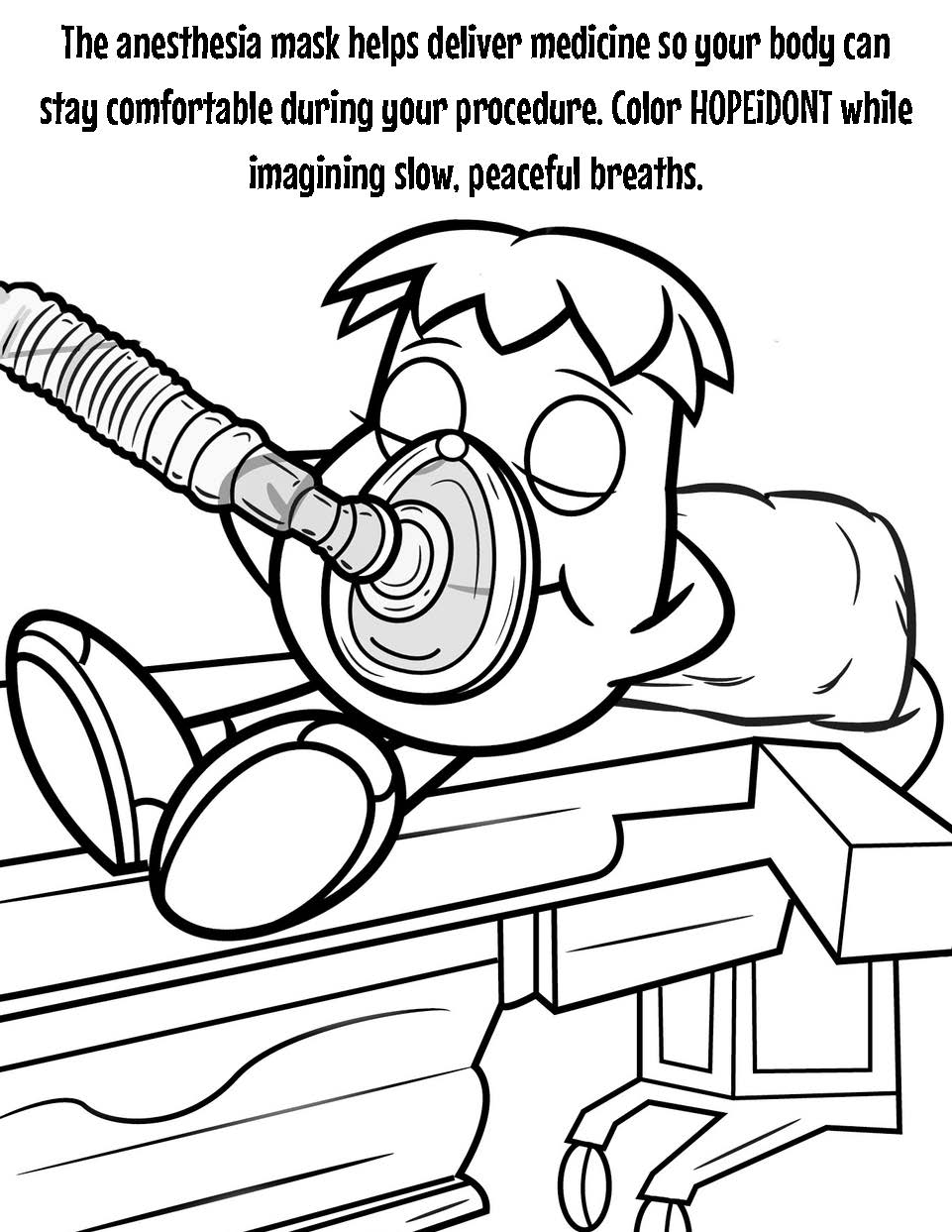
Downloadable Coloring Pages
These are free coloring pages you can download and use as you need.
Kids Also Wonder...
What is anesthesia?
Anesthesia is medicine that helps your body stay comfortable during some medical procedures or surgeries. Your healthcare team will choose the type of anesthesia that is best for you.
Will I be asleep?
Some kinds of anesthesia help you stay asleep during a procedure or feel relaxed and comfortable while you’re awake. Others help numb a specific part of your body so it doesn’t feel pain. All types of anesthesia are temporary. Your healthcare team will explain what to expect for your visit.
How will I get the anesthesia?
Some children breathe anesthesia medicine through a soft mask. Others receive medicine through an IV. Your healthcare team will explain which option is planned for you.
What does the mask smell like?
If you use a mask, you may notice a smell. Some children think it smells sweet or fruity, while others notice a different smell. Everyone experiences smells differently.
Will it hurt?
The anesthesia medicine itself is designed to help keep you comfortable during your procedure. If you have questions or worries, tell your healthcare team—they are there to help.
Can my grown-up stay with me?
Many hospitals allow a trusted grown-up to stay with children until it is time for the procedure. Your healthcare team will let you know what to expect at your hospital.
Will I dream?
Some children remember having dreams while they are asleep, and some do not. Both experiences are normal.
What happens when I wake up?
When your procedure is finished, you will wake up in a recovery area where your healthcare team will check on you as your body wakes up.
Will I feel different when I wake up?
Some children feel sleepy, groggy, thirsty, dizzy, or a little confused for a short time after anesthesia. These feelings usually improve as the medicine wears off. Tell your healthcare team how you're feeling so they can help keep you comfortable.
Can I eat before anesthesia?
Your healthcare team will give you instructions about when to stop eating and drinking before your procedure. Following these instructions helps keep you safe.
Why can't I eat or drink before anesthesia?
Having an empty stomach helps keep your body safe while you receive anesthesia. Your healthcare team will explain exactly when to stop eating and drinking.
When can I go home?
Some children go home the same day, while others stay at the hospital longer. Your healthcare team will let you know what to expect.
Coping Skill Toolbox
These are free resources you can download and use to help work through a moment of emotions or stress to help make the experience better for everyone.
Coping Skill 1
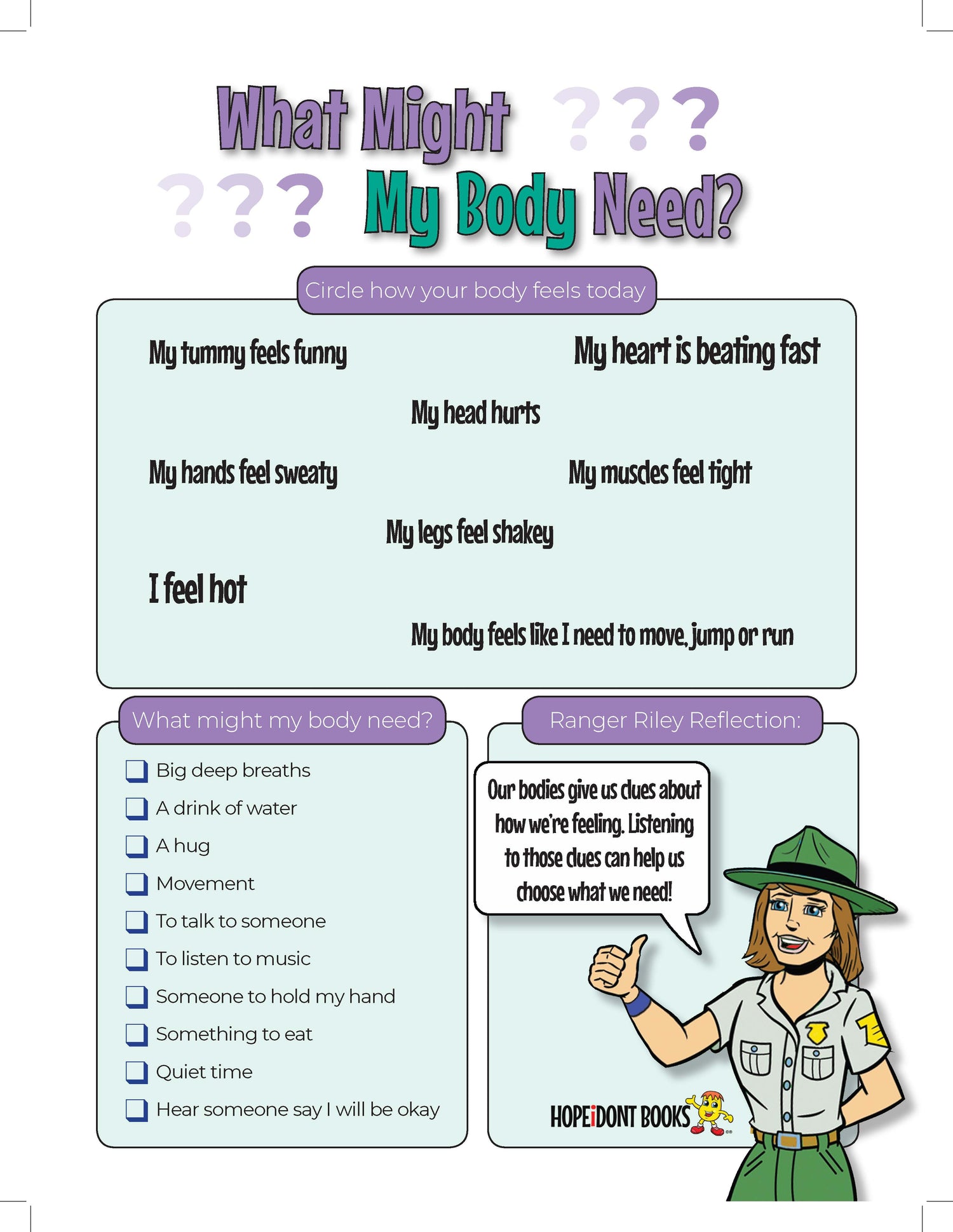
What My Body Might Need
A body-awareness activity that helps children notice physical clues connected to their feelings and identify what may help them feel more comfortable and supported.
Coping Skill 2
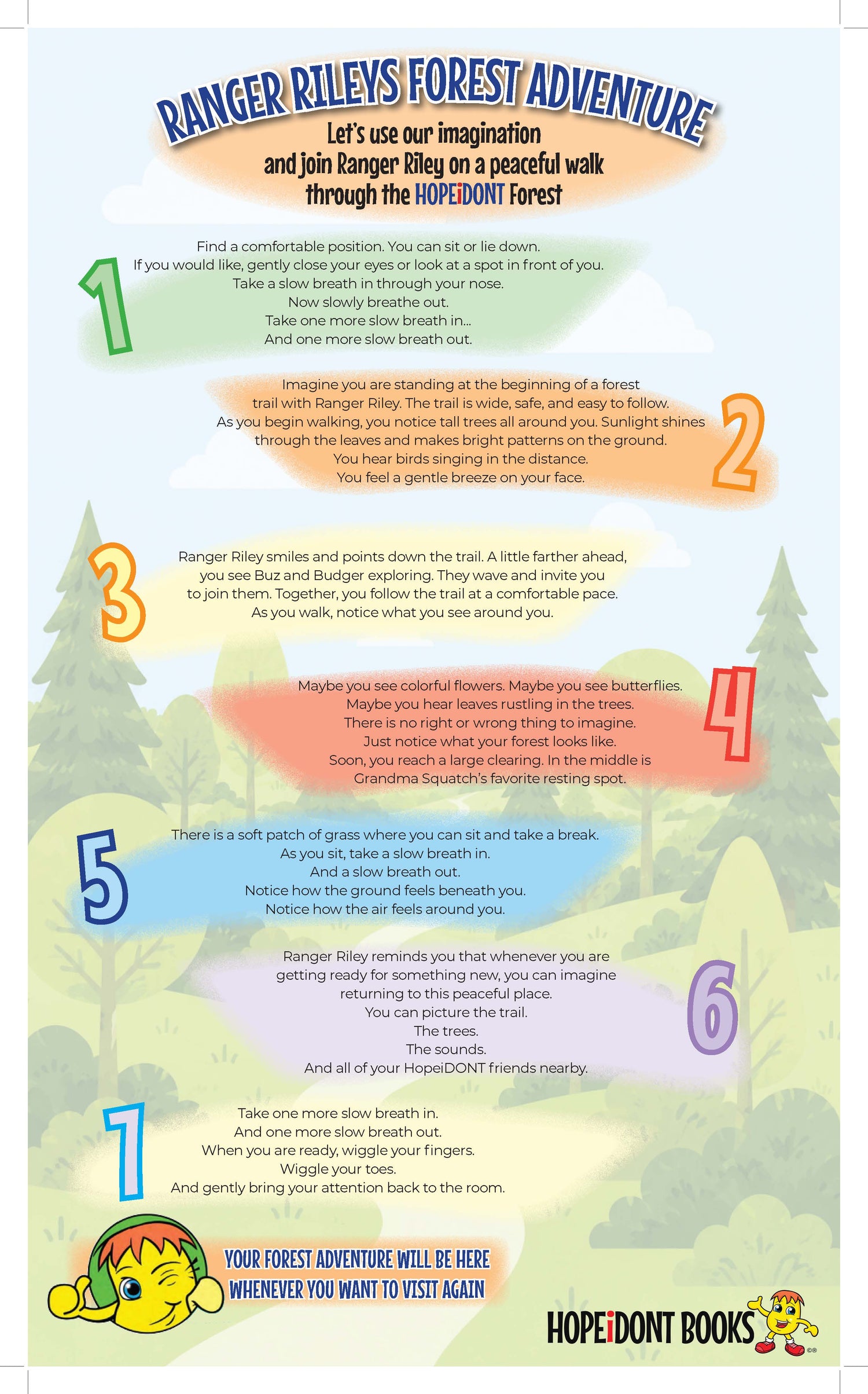
Ranger Riley's Forest Adventure
A peaceful guided-imagery activity that uses breathing and imagination to take children on a calming journey through the HOPEiDONT Forest.
Coping Skill 3
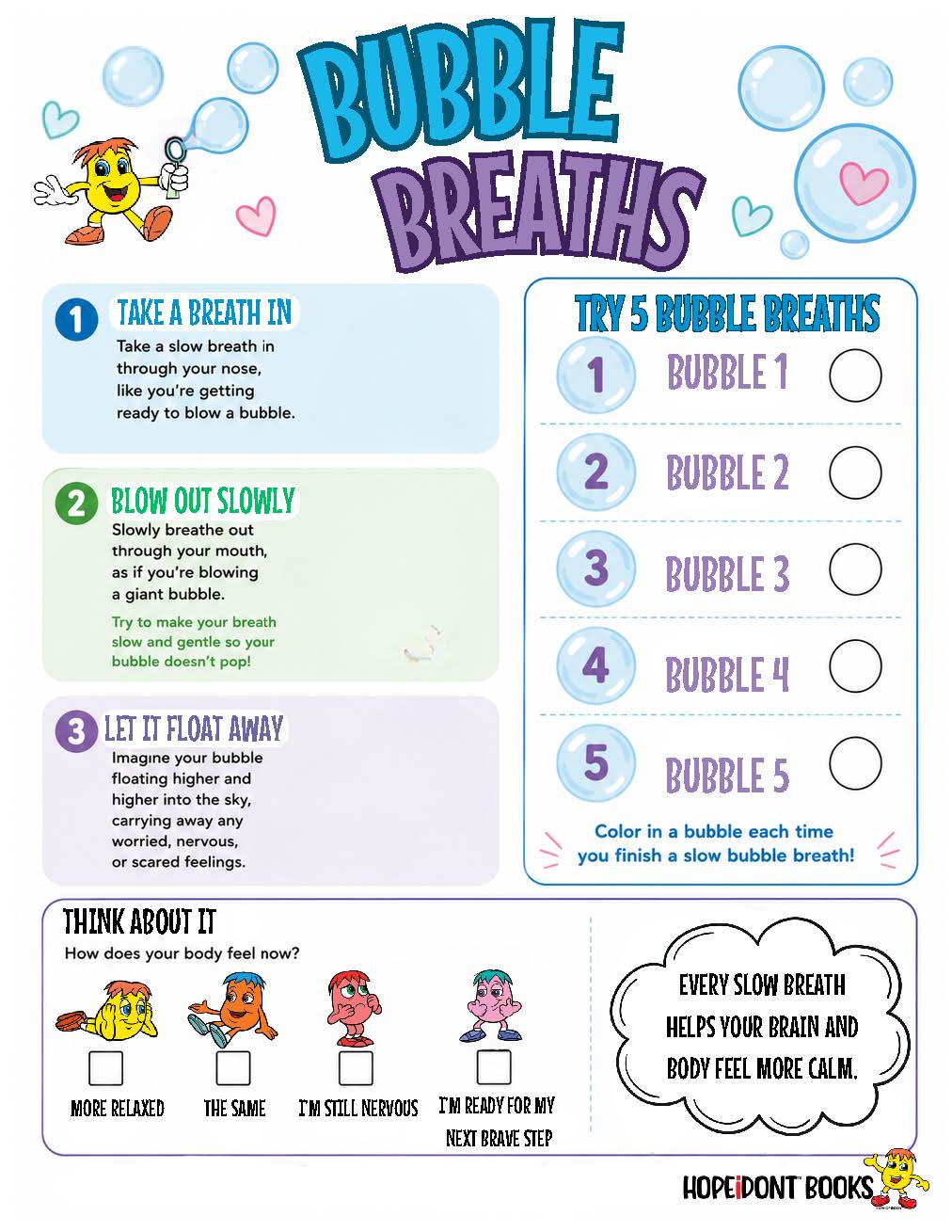
Bubble Breaths
A playful guided-breathing activity that teaches children how to use slow, controlled breaths to help their brain and body feel calmer before their next brave step.
Caregiver Corner
Why Preparation Matters
Learning about anesthesia before the day of surgery can help reduce uncertainty and give children time to ask questions and practice coping skills. Preparation helps children know what to expect and can increase their confidence.
Talking About Going to Sleep
Instead of saying your child will "go to sleep," explain that anesthesia is special medicine that helps their body stay asleep during the procedure while the healthcare team cares for them. Using clear, simple language can help reduce confusion.
Preparing for the Anesthesia Mask
If your child will receive anesthesia through a mask, practicing slow breathing at home or in the hospital room with a cup or pretend mask can help the experience feel more familiar.
Supporting Recovery
Children often wake up feeling sleepy or a little different than usual. Staying calm, offering comfort, and reminding them that these feelings are expected and temporary can help them feel safe.
Ranger Riley Reminder: Children don't need to know every medical detail, they need to know what they will see, hear, feel, and what they can do to help themselves feel prepared.
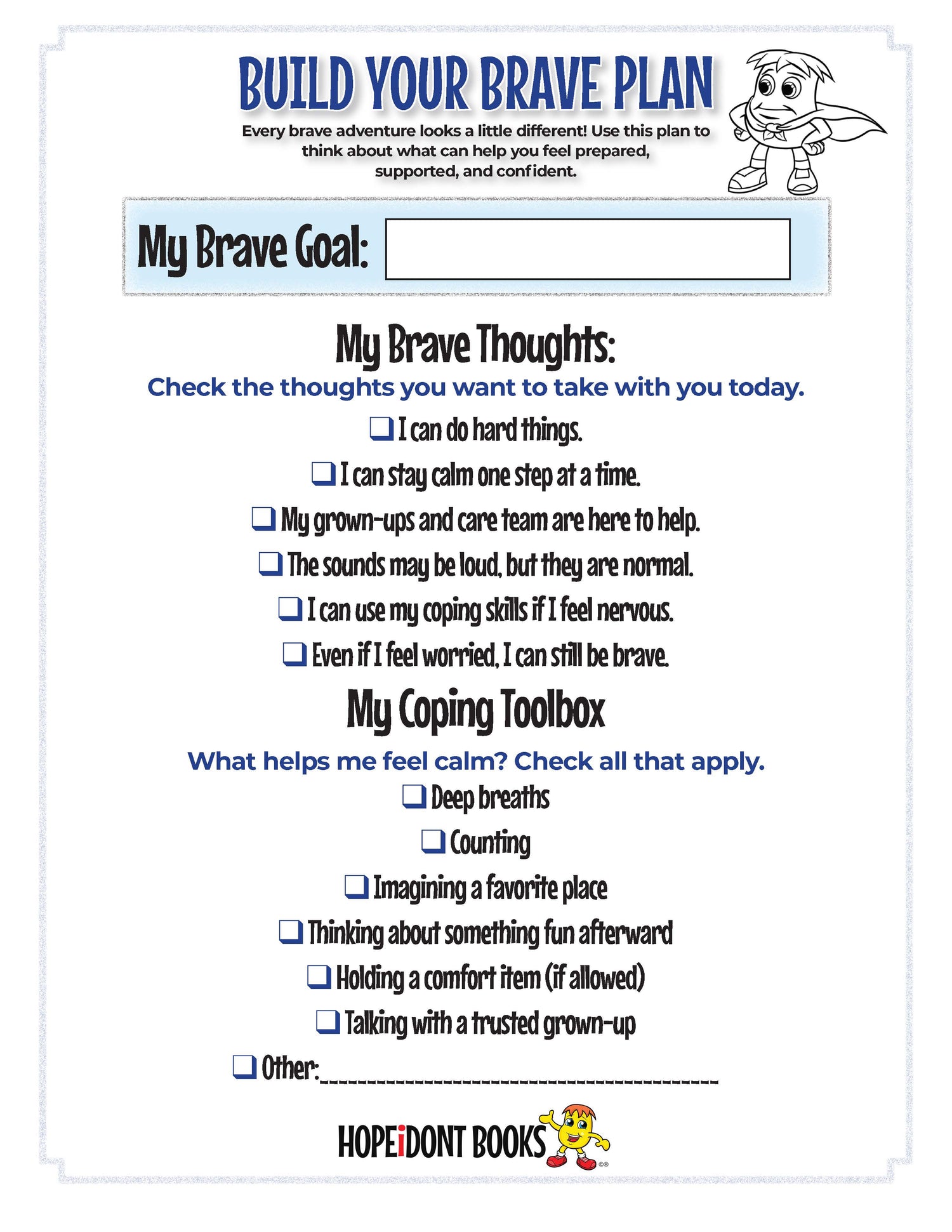
Build Your Brave Plan
Download and Create
A personalized activity that helps children identify brave thoughts, coping tools, support people, and a plan for facing something difficult.
Bonus Activities
Bonus #1
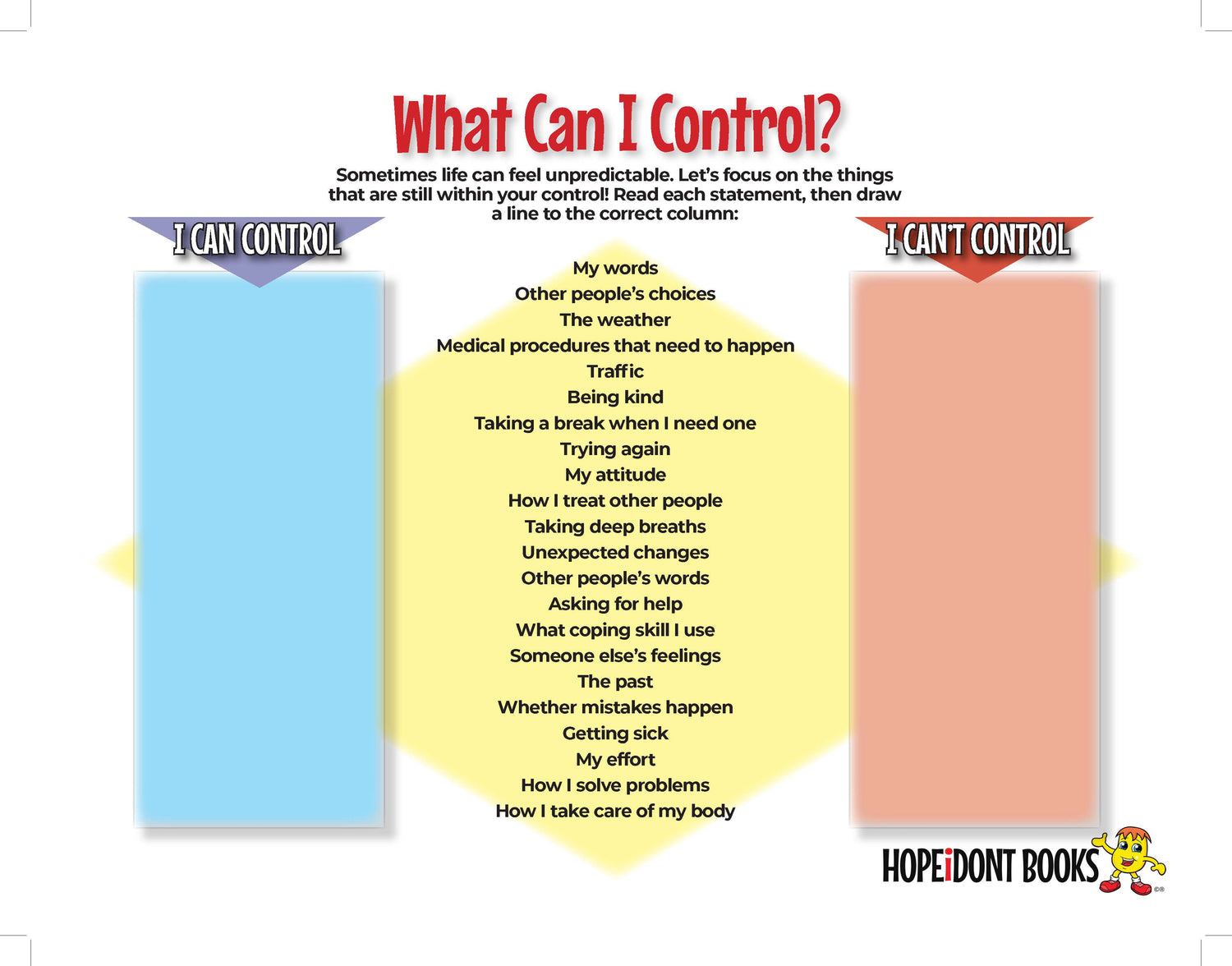
What Can I Control?
An interactive activity that helps children separate what they can and cannot control while focusing on choices, coping skills, and actions that can help them feel more confident.
Bonus #2
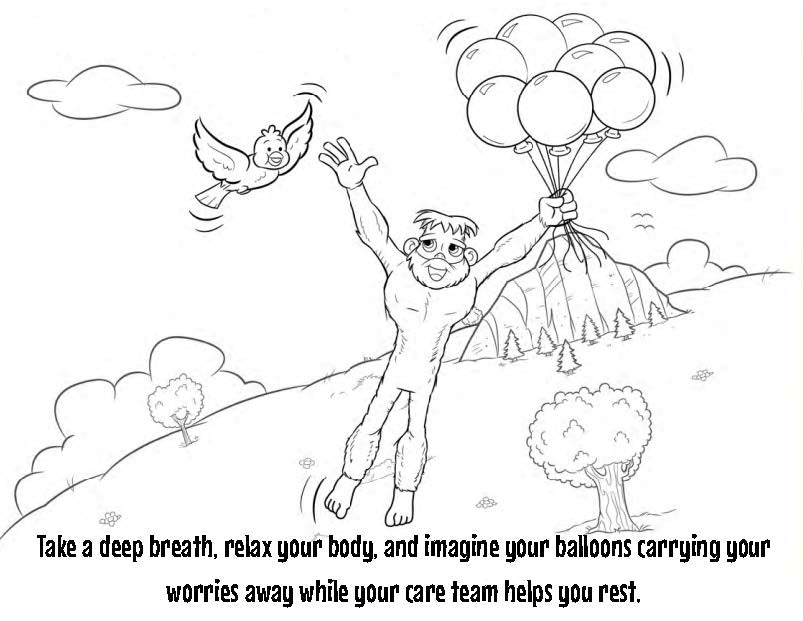
Let Your Worries Float Away
A calming visualization activity that encourages children to breathe, relax their body, and imagine their worries floating away as they prepare to rest.
Bonus #3
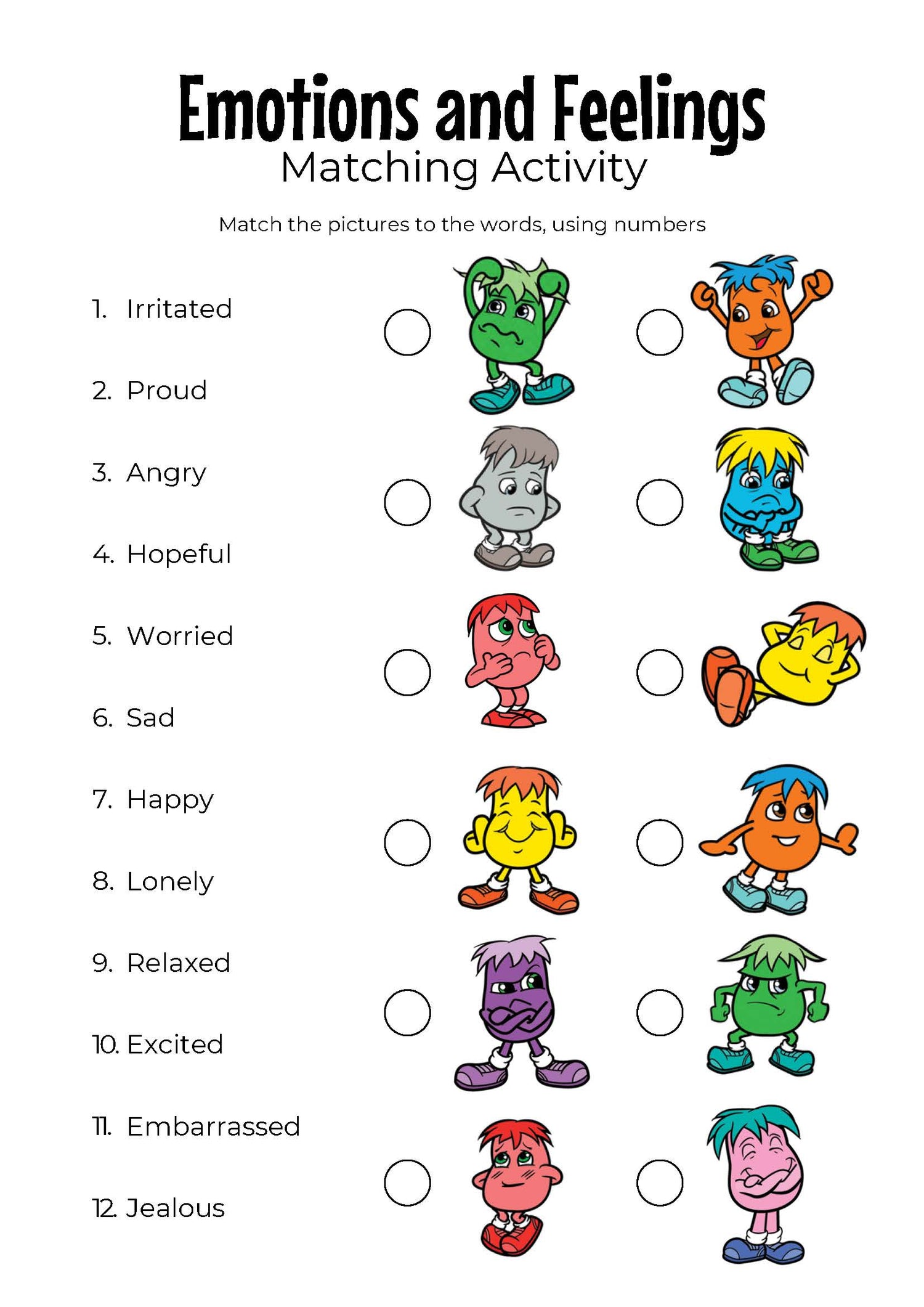
Emotions & Feelings Matching Activity
A fun matching activity that helps children recognize, name, and better understand a variety of emotions they may be experiencing.