

Comfort & Coping During an Overnight Stay
Simple activities and supportive tools to help children feel safer, calmer, and more confident while spending the night in the hospital.
Downloadable Coloring Pages
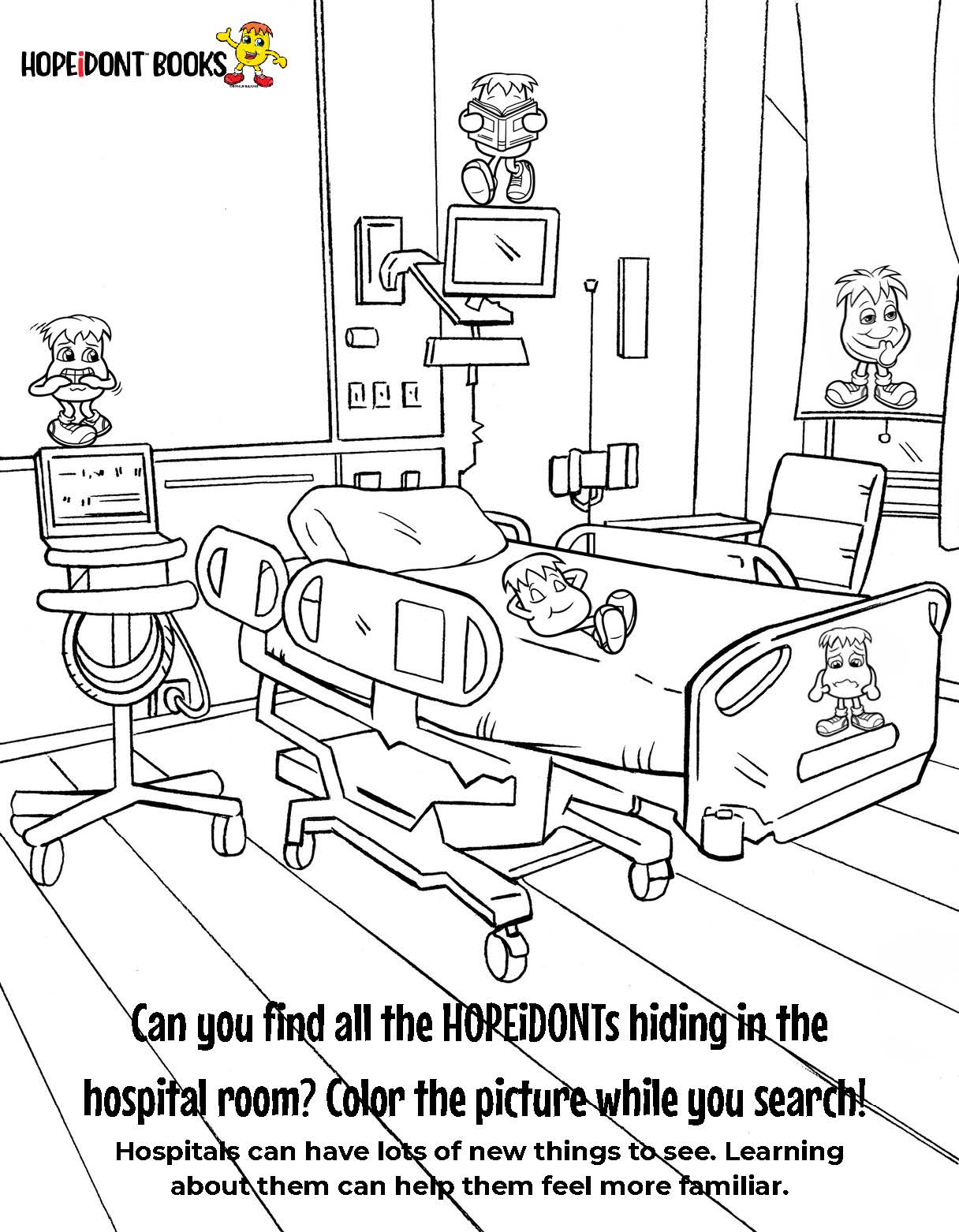
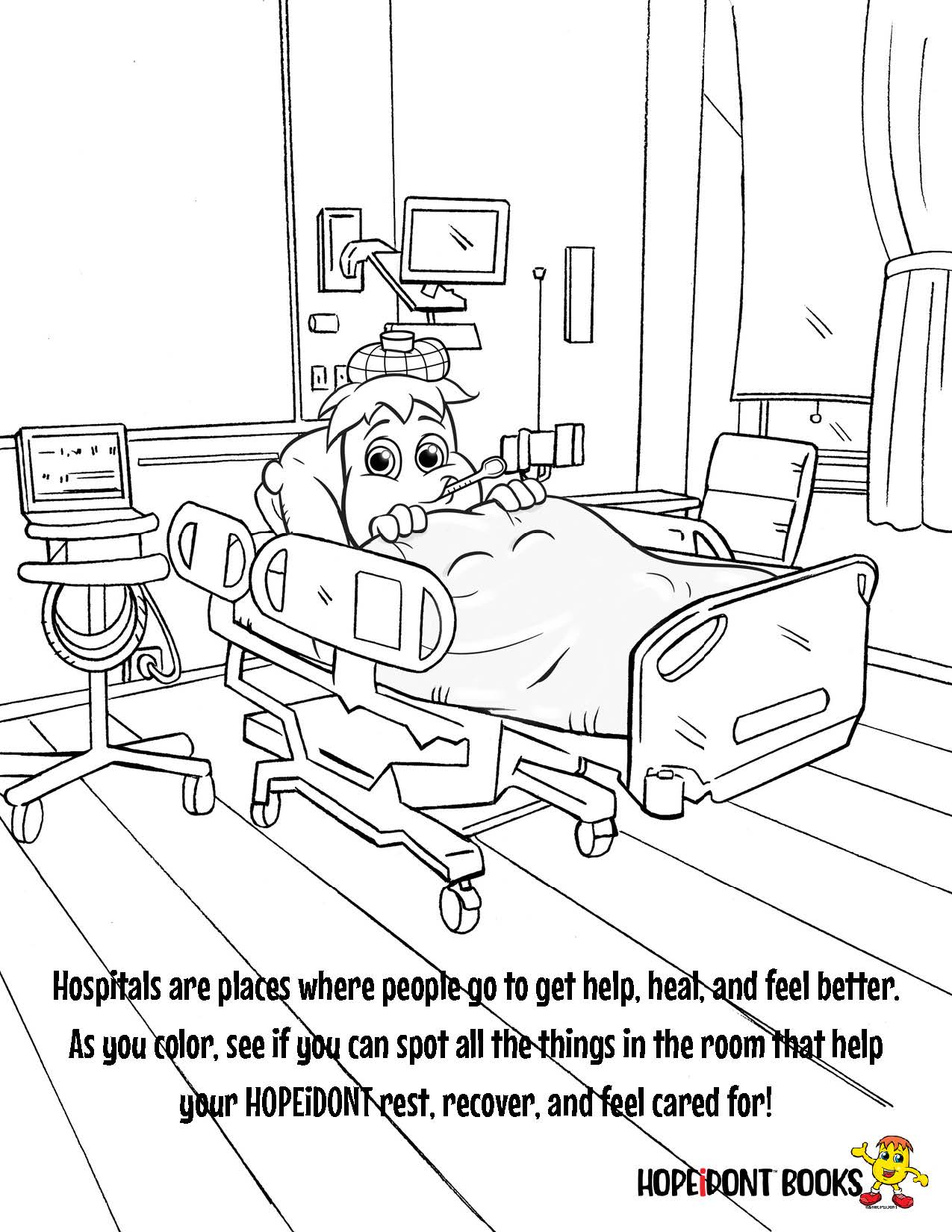
These are free coloring pages you can download and use as you need.
Kids Also Wonder...
Why do I have to stay overnight?
Sometimes doctors and nurses want to keep a close eye on children while they are healing, getting medicine, having tests, or recovering. Staying overnight helps your care team make sure you are getting the support your body needs.
Will my grown-up stay with me?
Many hospitals allow a parent, caregiver, or support person to stay with children overnight. Every hospital has different rules, so your care team will explain what is possible where you are staying.
What will I do while I'm at the hospital?
Children spend their hospital stay in lots of different ways. You might rest, watch shows, read books, play games, do activities, visit with loved ones, or work with members of your care team.
What if I miss home?
Missing home is a very common feeling during a hospital stay. Looking at pictures, talking with loved ones, bringing a comfort item, or thinking about favorite memories can help you stay connected.
Will I sleep in a hospital bed?
Most children sleep in a hospital bed during their stay. Hospital beds may look different than your bed at home because they are designed to help keep you safe and comfortable.
What if I feel scared at night?
Many children feel nervous when sleeping somewhere new. If you feel scared, worried, lonely, or uncomfortable, let a grown-up or member of your care team know. They are there to help.
Can I bring things from home?
Many hospitals allow children to bring comfort items such as stuffed animals, blankets, books, or favorite activities. Ask your care team what items are okay to bring.
Will doctors and nurses come into my room?
Sometimes members of your care team may come into your room to check on you, give medicine, help you feel comfortable, or see how you are doing.
What if I feel sad, angry, worried, or frustrated?
Big feelings are common during a hospital stay. It is okay to talk about your feelings, ask questions, use coping skills, and ask for support when you need it.
When can I go home?
Every child is different. Your care team will help decide when you are ready to go home and explain what needs to happen before then.
Coping Skill Toolbox
These are free resources you can download and use to help work through a moment of emotions or stress to help make the experience better for everyone.
Coping Skill 1
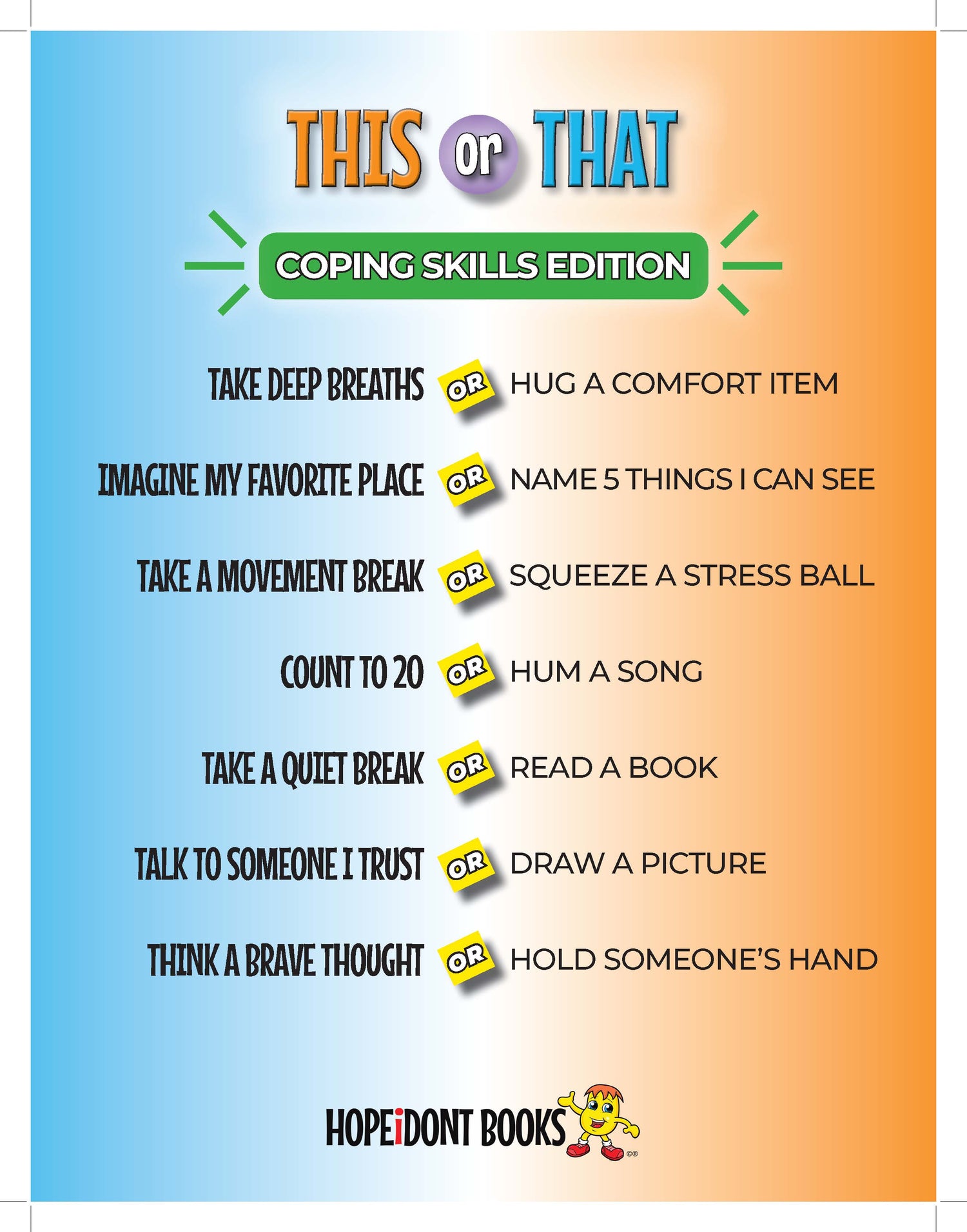
This or That
A playful activity that helps children explore different coping strategies and discover which ones feel best for them.
Coping Skill 2
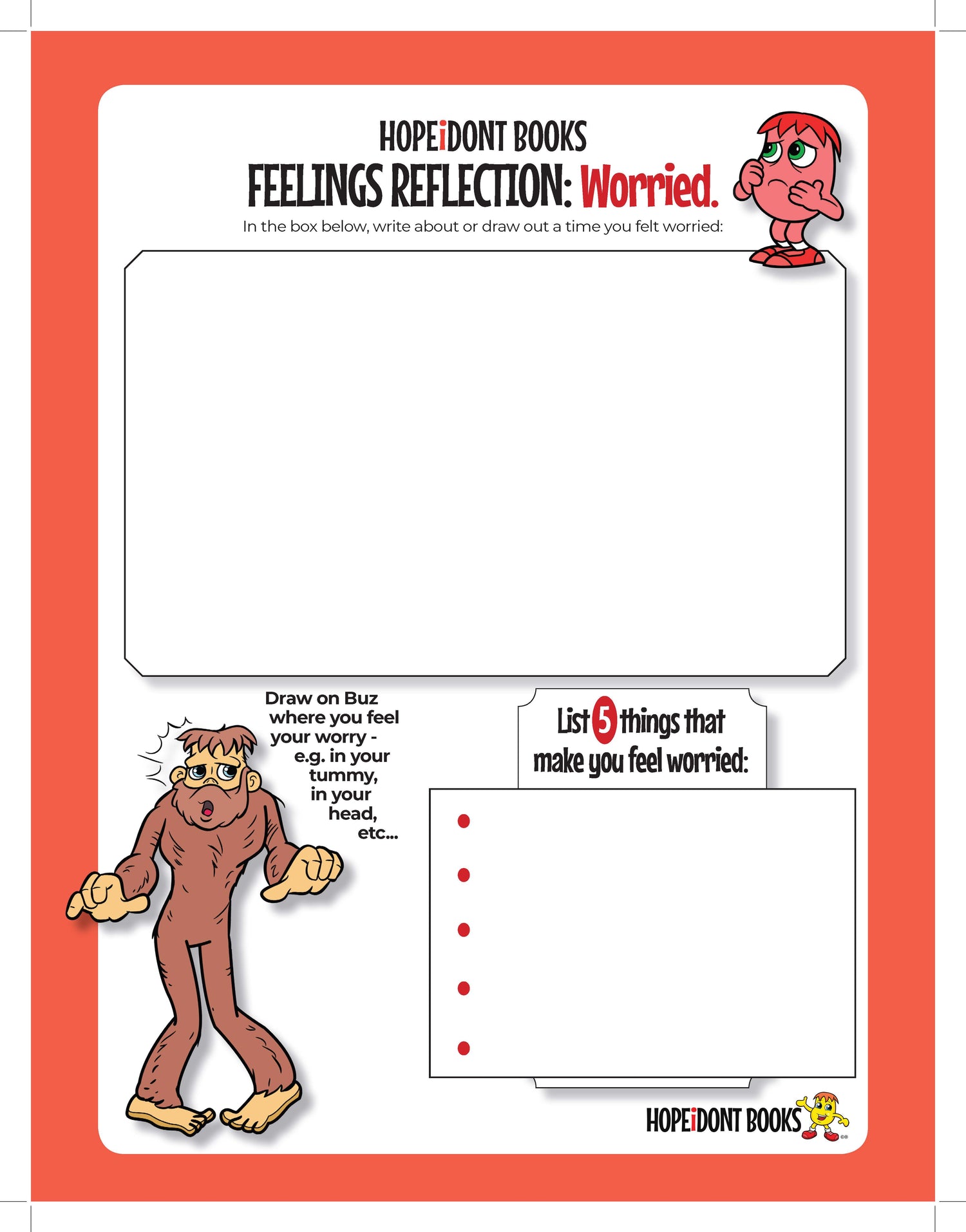
Feelings Reflection
A guided activity that helps children explore what makes them worried, where they feel worry in their body, and express those feelings.
Coping Skill 3
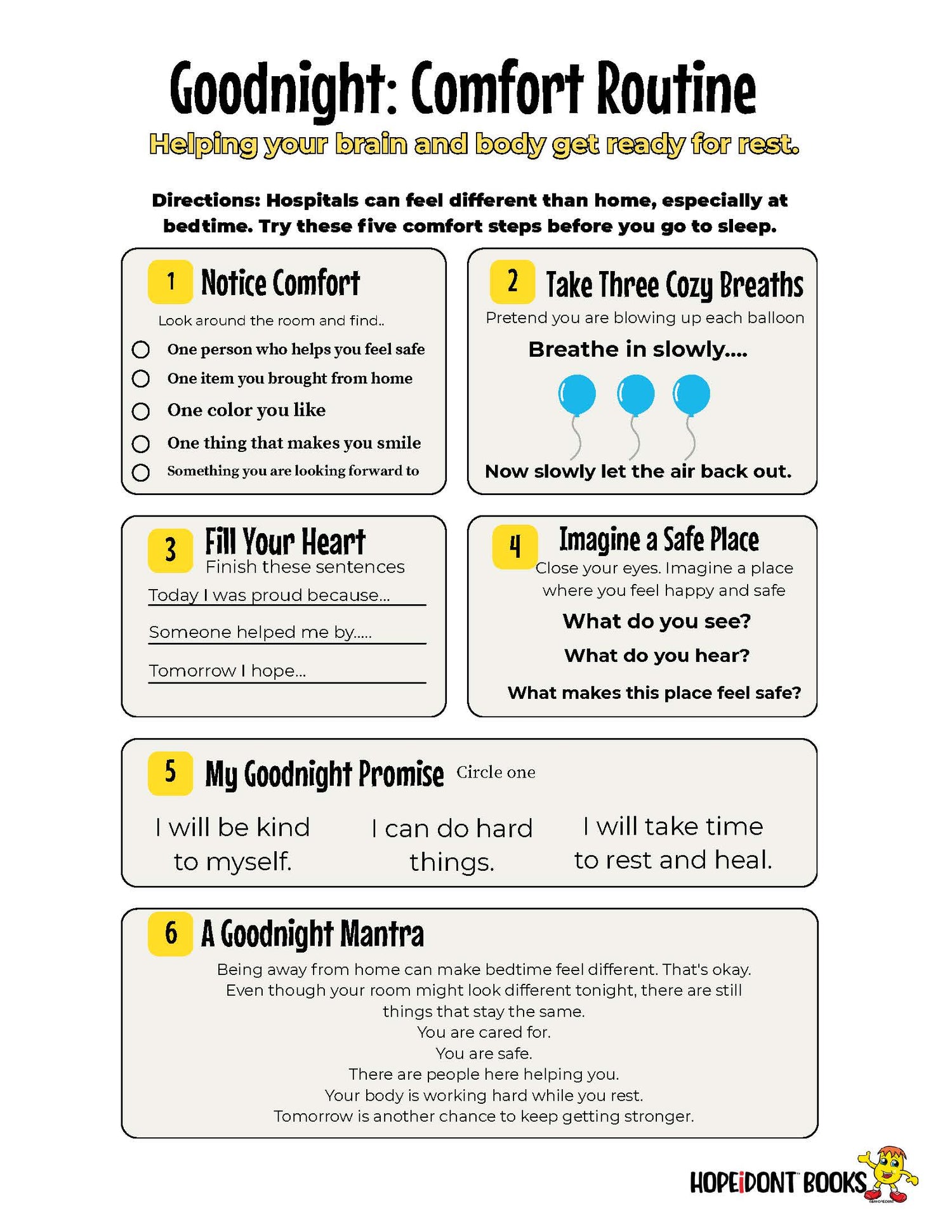
Goodnight Comfort Routine
A calming bedtime routine designed to help children feel safe, supported, and ready to rest during a hospital stay.
Caregiver Corner
Why Preparation Matters
Hospital stays often bring changes in routine, environment, and expectations. Helping children understand what to expect can reduce uncertainty and help them feel more prepared.
Supporting Children Through Separation and Missing Home
Children may miss family members, pets, routines, friends, or familiar surroundings. These feelings are normal. Encouraging connection through phone calls, photos, comfort items, and conversations can help children feel supported.
Helping Children Name Their Feelings
Children may experience many different emotions during a hospital stay. Helping them identify and talk about their feelings can make those feelings feel more manageable.
Try asking:
- "What has been the hardest part today?"
- "What helped today feel a little easier?"
- "What feeling is visiting you right now?"
When Children Feel Out of Control
Hospital stays often involve unfamiliar people, routines, and procedures. Offering age-appropriate choices can help children feel more involved.
Examples:
- Choosing a coping skill
- Picking an activity
- Choosing a comfort item
- Deciding what show or book to enjoy
The Goal Isn't Perfect Happiness
Children do not need to feel happy all the time to cope successfully. Success may look like asking questions, sharing feelings, using coping skills, or accepting support from others.
Ranger Riley Reminder: Feelings are visitors. Some stay a short time and some stay longer, but none of them stay forever.
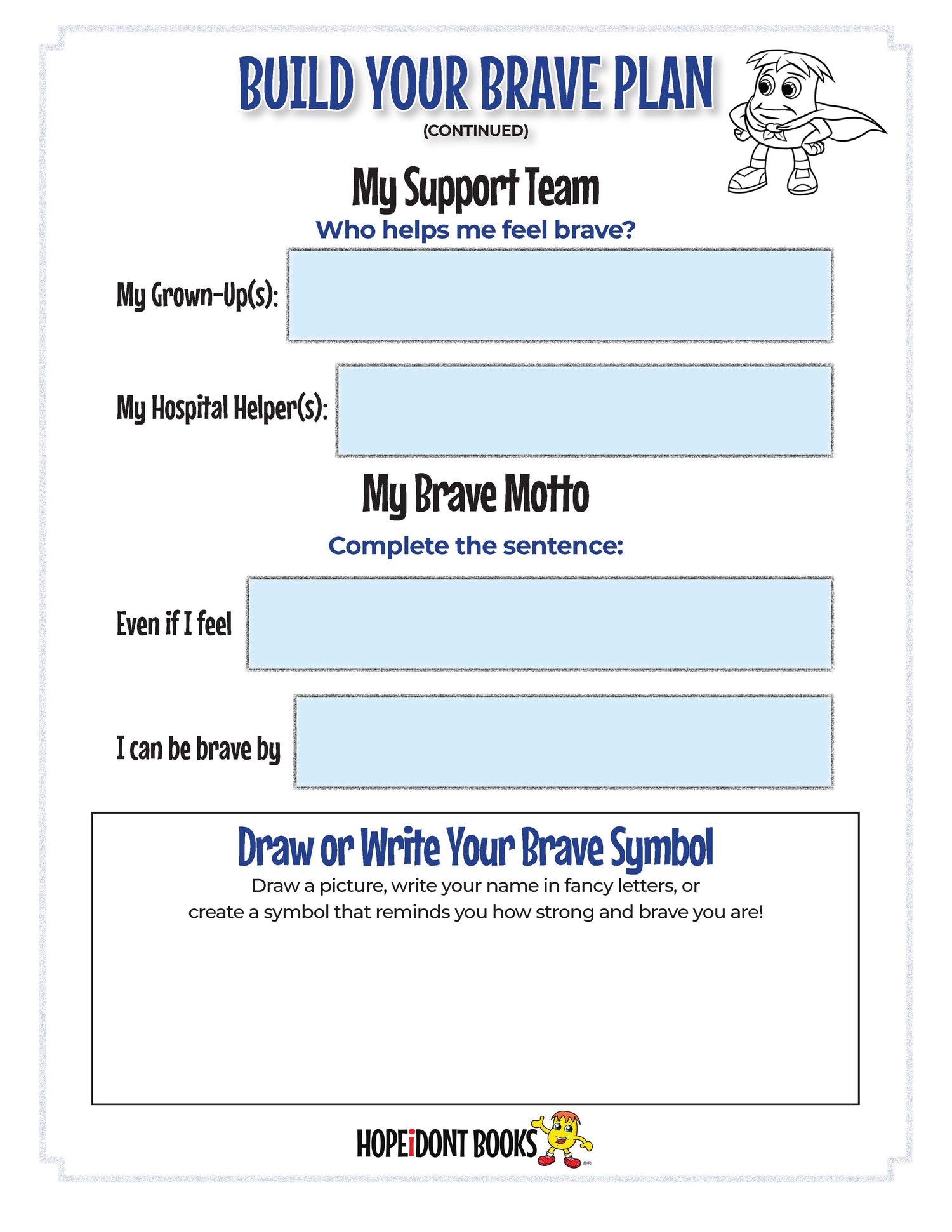
Build Your Brave Plan
Download and Create
A personalized activity that helps children identify brave thoughts, coping tools, support people, and a plan for facing something difficult.
Bonus Activities
Bonus #1
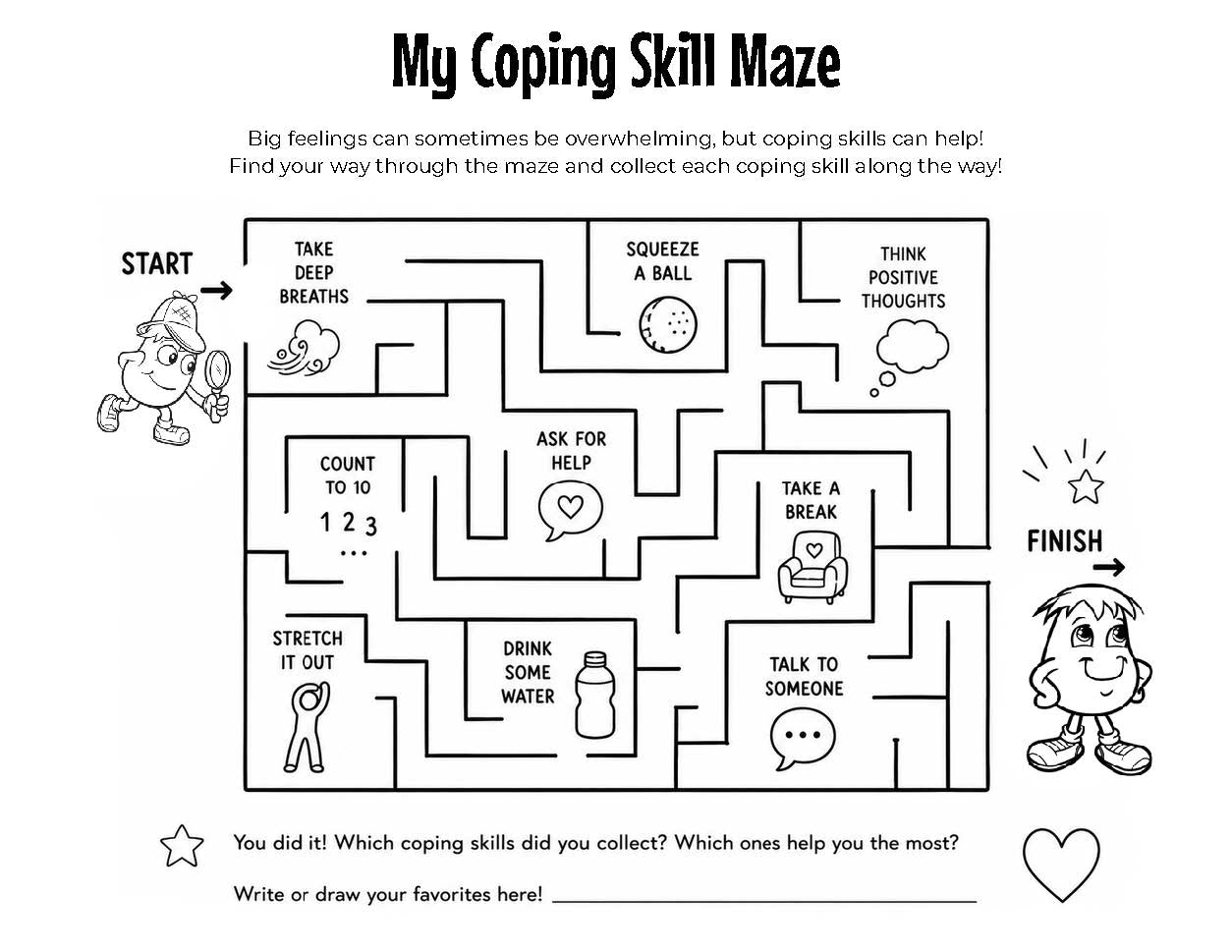
My Coping Skills Maze
A fun maze activity that introduces children to simple coping skills they can use when big feelings feel overwhelming.
Bonus #2
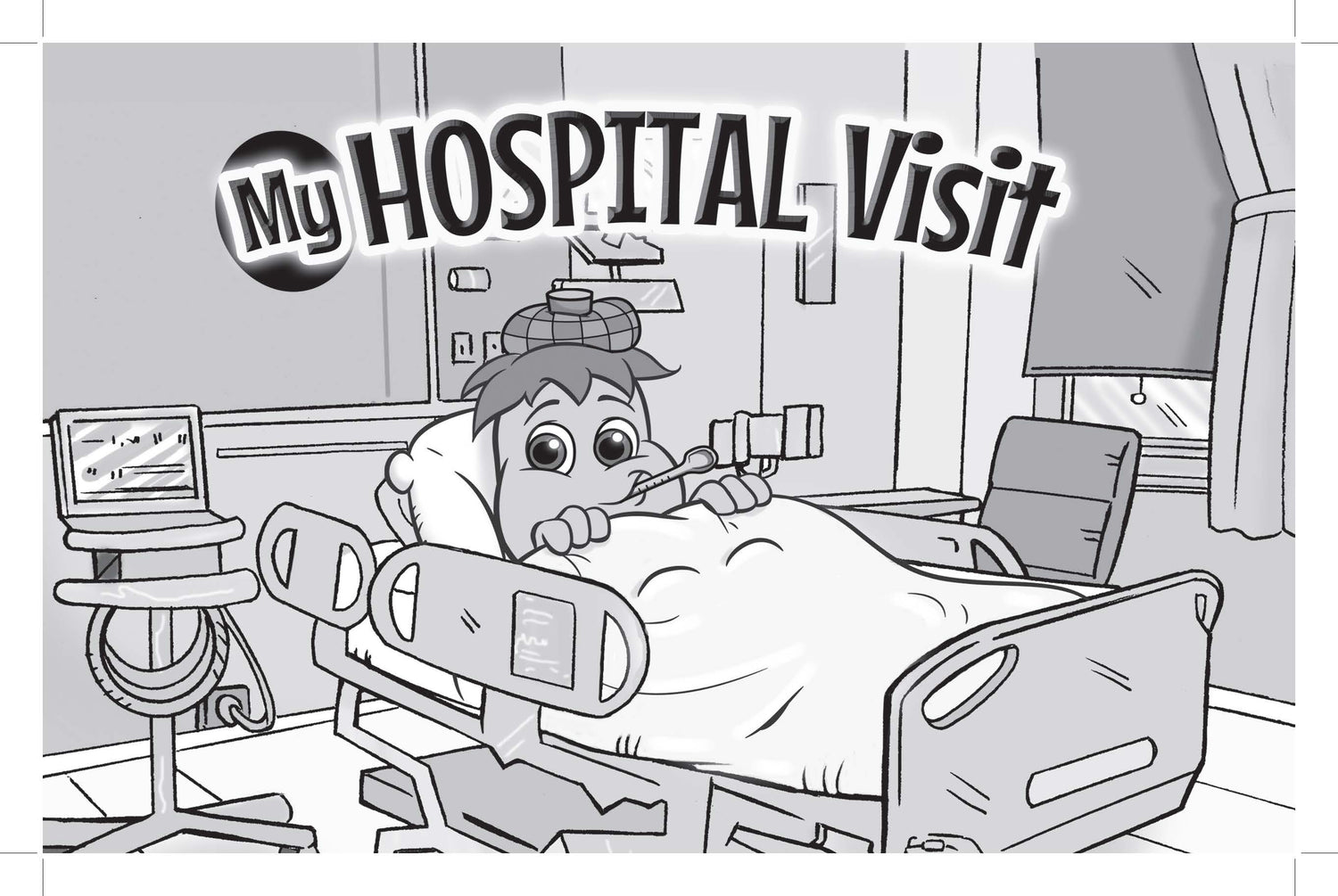
My Hospital Visit
A feelings-based story and activity book that helps children understand, express, and cope with emotions throughout a hospital stay.