

Getting Ready for Stitches
Comforting activities and coping tools to help children understand their feelings, know what to expect, and feel calmer and more confident while getting stitches.
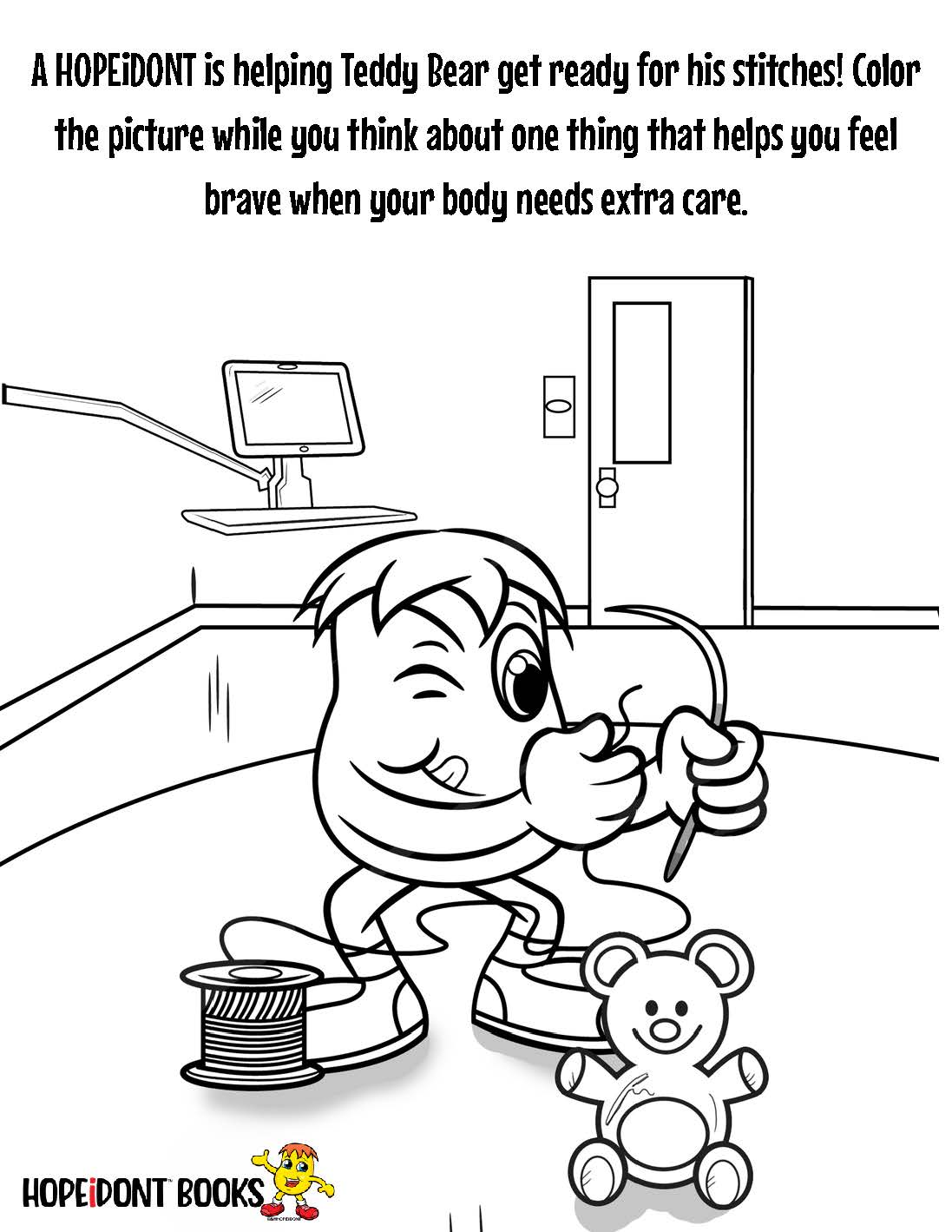
Downloadable Coloring Pages
These are free coloring pages you can download and use as you need.
Kids Also Wonder...
Why does my cut need to be cleaned first?
Cleaning your cut helps wash away dirt and germs so your skin has the best chance to heal. You may feel some water or a gentle wipe before your stitches are placed.
Will it hurt when my stitches come out?
Many children say removing stitches feels funny or like a little tug, but it usually doesn't take very long. Your care team will explain what to expect.
What if I accidentally touch my stitches?
Try your best to leave your stitches alone so your skin can heal. If you accidentally touch them, don't worry, just let a grown-up know if you notice any bleeding, pain, or changes.
Can I take a bath or go swimming?
Your doctor will let you know when it's safe to get your stitches wet. Until then, it's important to follow your care team's instructions.
What if my stitches itch?
Itching is a normal part of healing. Try not to scratch the area. If the itching becomes bothersome, tell a grown-up or your care team.
Can I play sports?
Your body needs time to heal. Your doctor will let you know when it's safe to return to sports, playground activities, or other active play.
What happens if one of my stitches comes loose?
Tell a grown-up if you notice a stitch coming loose or if your cut starts to open. Your care team can decide if anything needs to be done.
Will I have a scar?
Many cuts leave a small scar after they heal. Everyone's skin heals differently, and scars often become lighter over time.
What if I feel nervous?
Lots of children feel nervous about getting stitches. Learning what to expect and practicing coping skills can help you feel more prepared.
Coping Skill Toolbox
These are free resources you can download and use to help work through a moment of emotions or stress to help make the experience better for everyone.
Coping Skill 1
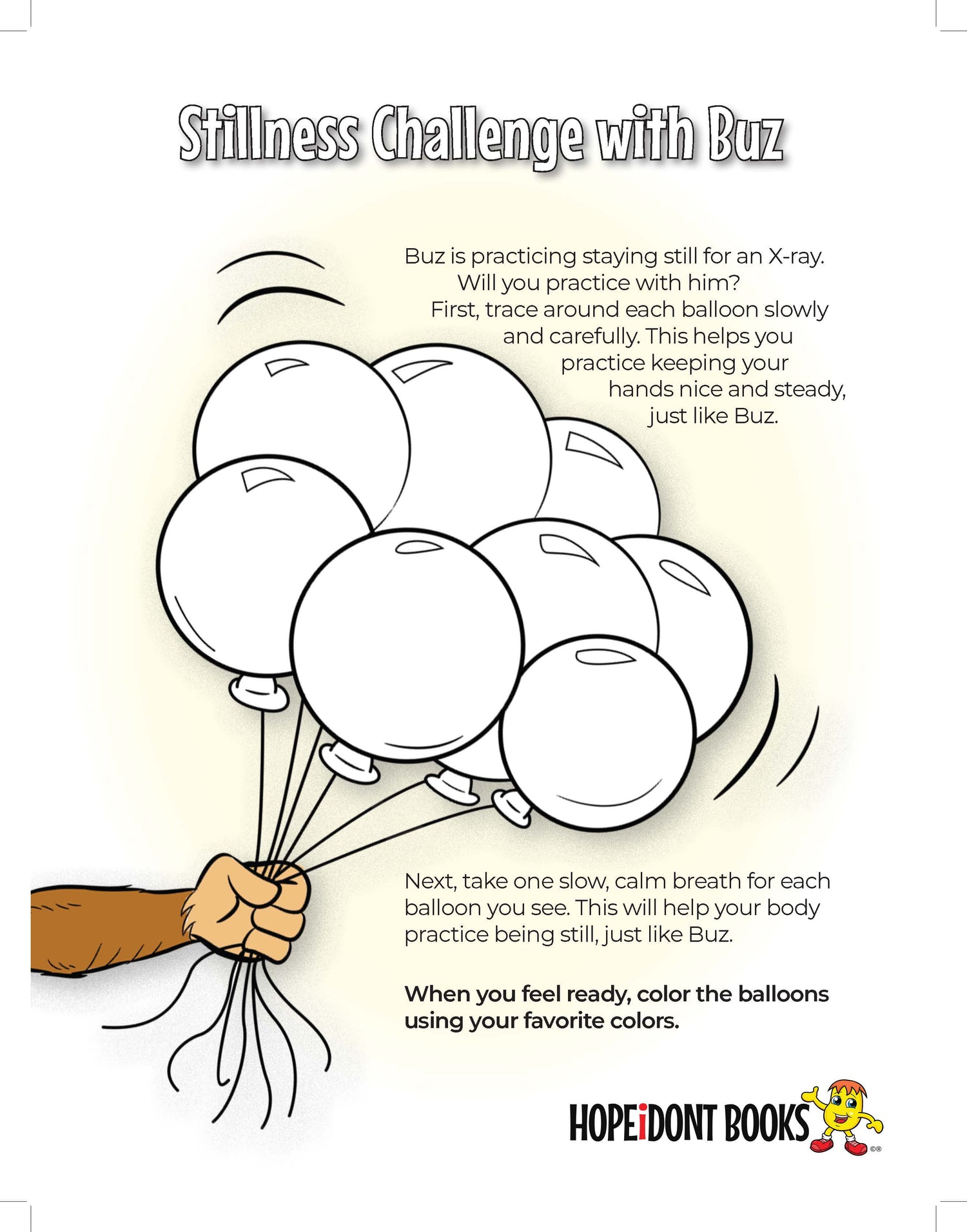
Stillness Challenge
A tracing, breathing, and coloring activity that helps children practice the calm, steady stillness they may need while having medical images taken.
Coping Skill 2
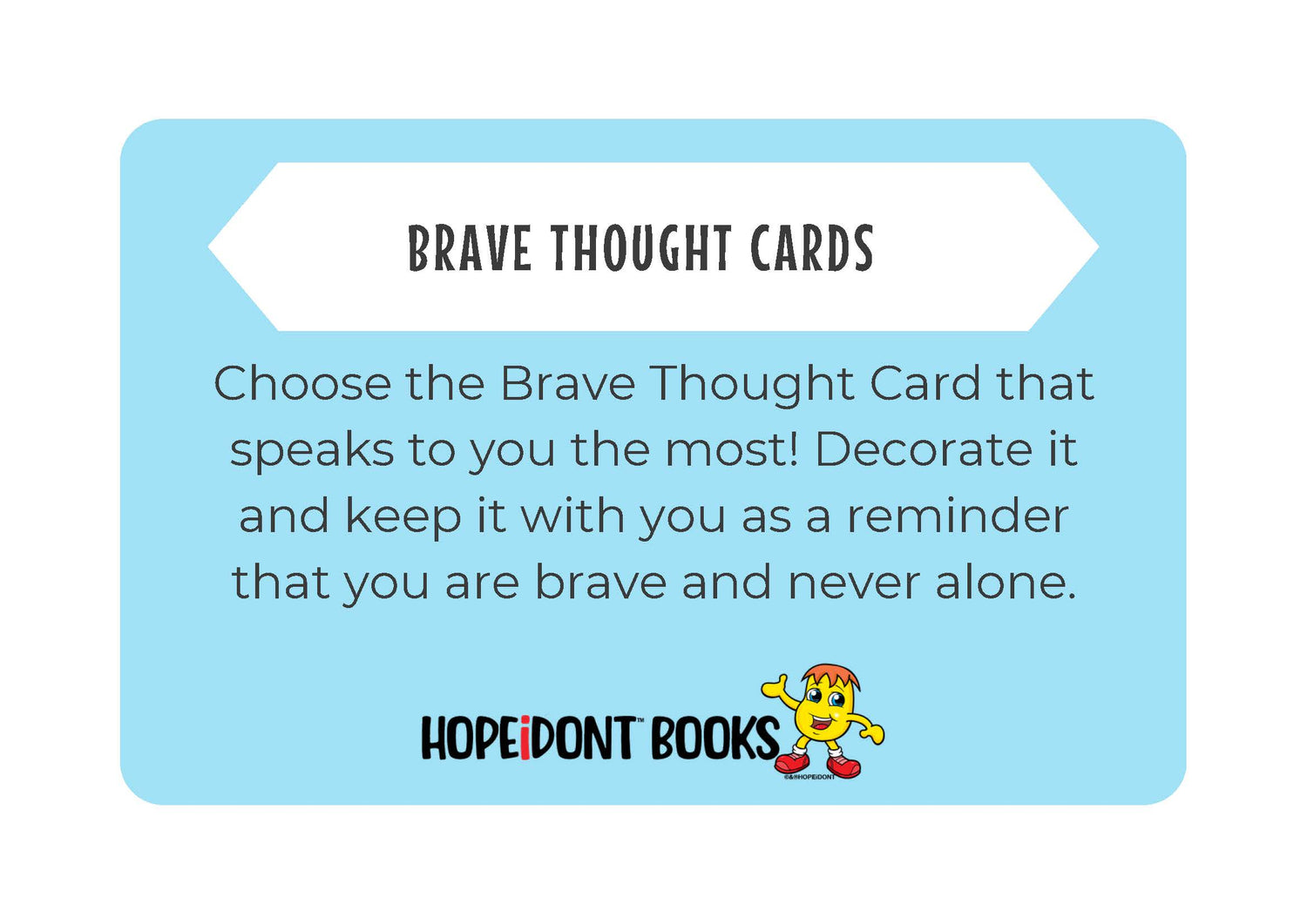
Brave Thought Cards
Encouraging cards children can choose, decorate, and keep nearby as reminders that their feelings matter, they can ask questions, and they have support when something feels scary.

Coping Skill 3
Cloud Adventure: Guided Imagery
A calming guided-imagery exercise that uses slow breathing and visualization to help children relax their bodies, let worries drift away, and feel supported by the people caring for them.
Caregiver Corner
Why Preparation Matters
Preparing children with honest, age-appropriate information helps reduce uncertainty and builds confidence. When children know what to expect before getting stitches, they often feel more prepared and more willing to use coping skills during the procedure.
Honest Language Builds Trust
Avoid promising that stitches won't “hurt". Instead, use honest language like, "You may feel some pressure or tugging, but your care team will do their best to keep you comfortable." Honest preparation helps children build trust in both caregivers and medical providers.
Support Coping, Not Perfection
Children cope in many different ways. Some like to watch, while others prefer to look away. Some talk through the procedure, while others stay quiet. Encourage your child to choose the coping strategies that work best for them and praise their effort rather than expecting a specific reaction.
Helping Stitches Heal
After the procedure, help your child follow their care team's instructions by keeping the area clean, avoiding picking at the stitches, and watching for any changes that should be reported to your healthcare provider.
Supporting Emotional Recovery
Even after the appointment is over, children may continue thinking about what happened. Give them opportunities to ask questions, talk about their experience, or play it out through drawing or pretend play if they choose.
Ranger Riley Reminder
Healing takes time, and every day your child follows their care instructions, they're helping their body do an important job. Small steps today help build a stronger tomorrow.
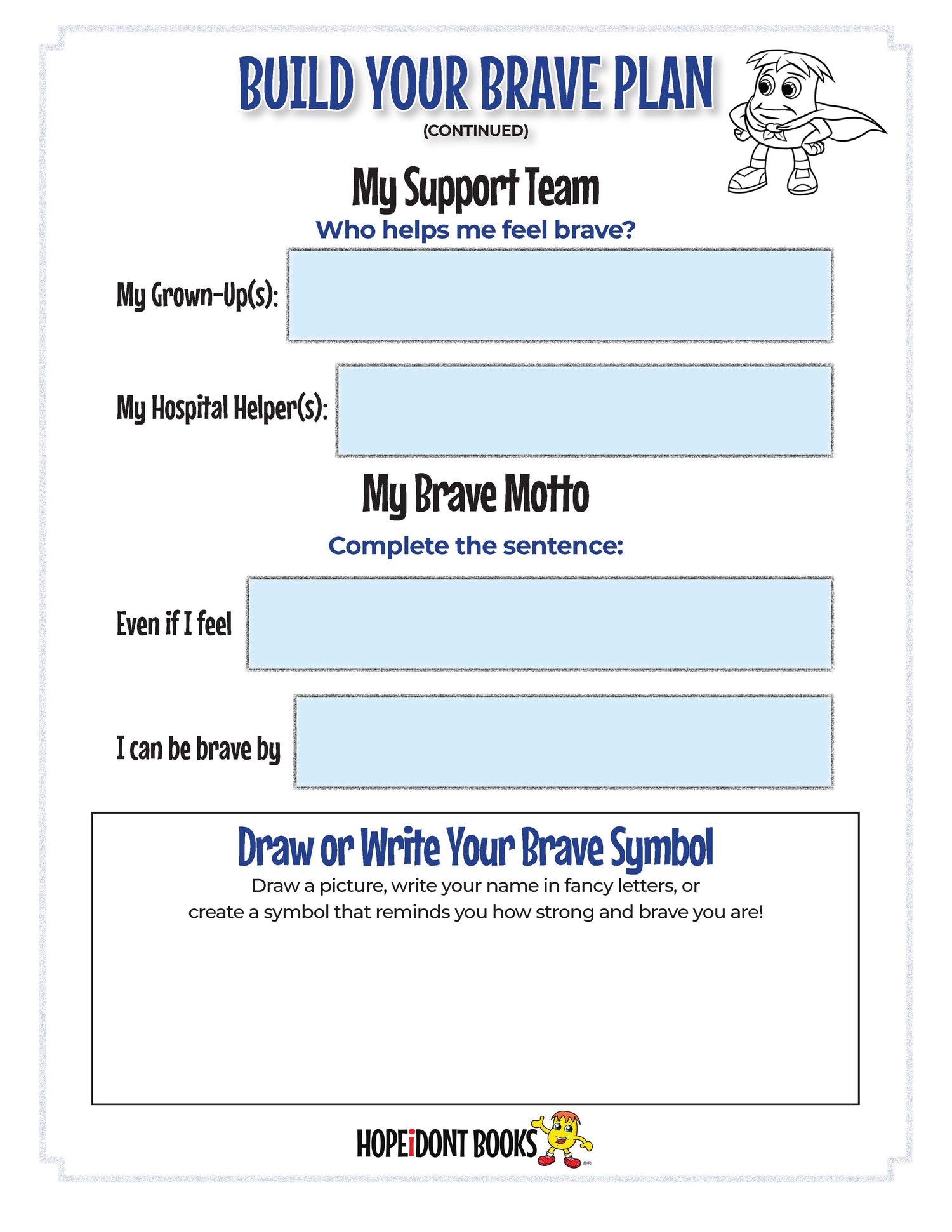
Build Your Brave Plan
Download and Create
A personalized activity that helps children identify brave thoughts, coping tools, support people, and a plan for facing something difficult.
Bonus Activities
Bonus #2
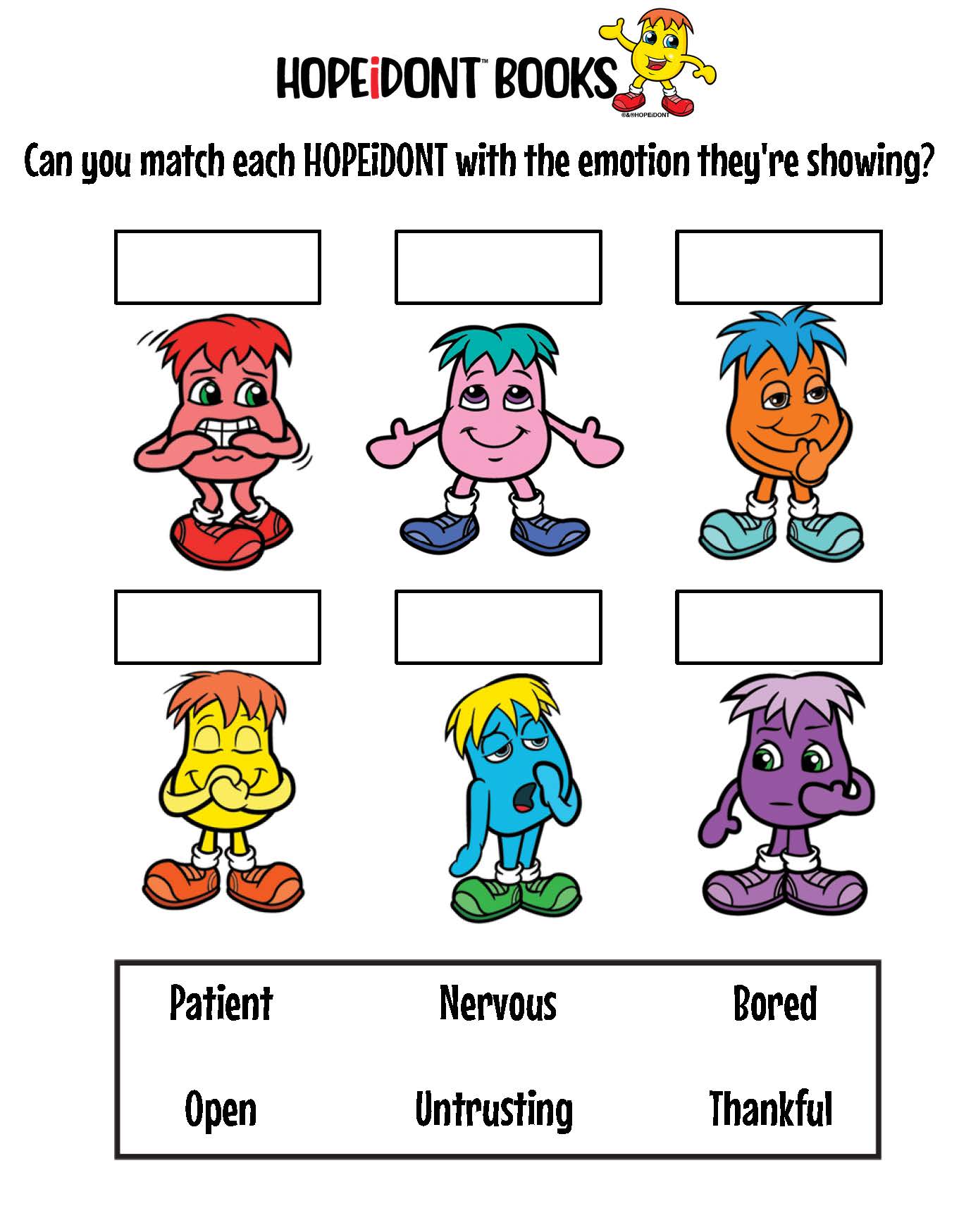
Name the HOPEiDONT's Feelings
A feelings-matching activity that helps children recognize and name different emotions they may experience before, during, or after getting stitches.
Bonus #3
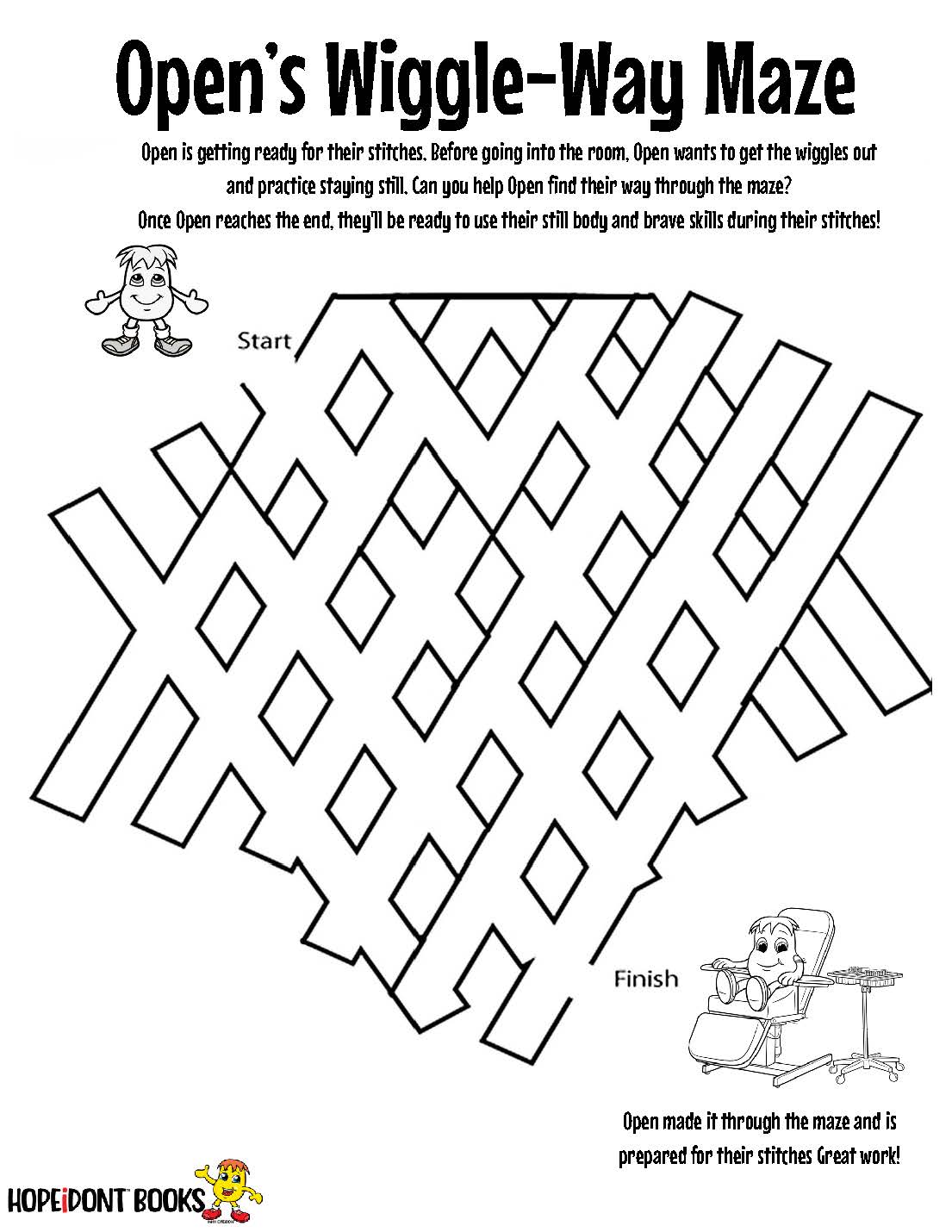
Wiggle-Way Maze
A playful maze that helps children get their wiggles out while introducing the idea of using a still body and brave skills when it’s time for stitches.